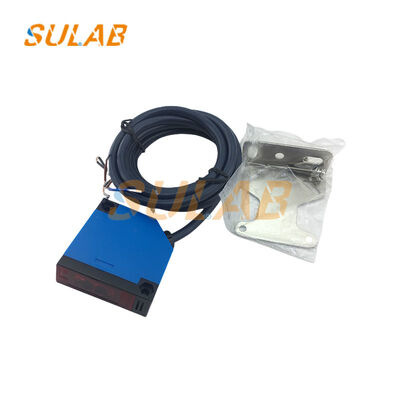
Brand New Original PLC Programmable Controller with Infrared Beam Detection and Non-contact Object Identification for Industrial Automation
-
Highlight
Brand New Original PLC Programmable Controller
,Infrared Beam Detection Photoelectric Switch Sensor
,Non-contact Object Identification Industrial Automation Controller
-
BrandSULAB
-
DescriptionElevator Parts
-
ModelXUK1ARCNL2
-
MOQ1PC
-
TransportionTNT, UPS, DHL, Fedex, Air, Sea
-
ApplicableElevator
-
PackagesCarton, Wooden Case, Pallet Etc
-
Delivery TimeNormally 2-3 Working Days After Payment
-
WarrantyOne Year
-
Payment MethodCompany Bank, Western Union, Alibaba, Paypal Etc
-
Brand NameSULAB
-
Model NumberXUK1ARCNL2
-
Minimum Order Quantity1PC
-
Delivery TimeNormally 2-3 working days after payment
-
Payment TermsL/C,D/A,D/P,T/T,Western Union,
Brand New Original PLC Programmable Controller with Infrared Beam Detection and Non-contact Object Identification for Industrial Automation
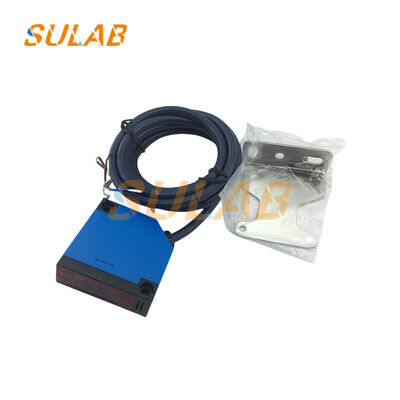
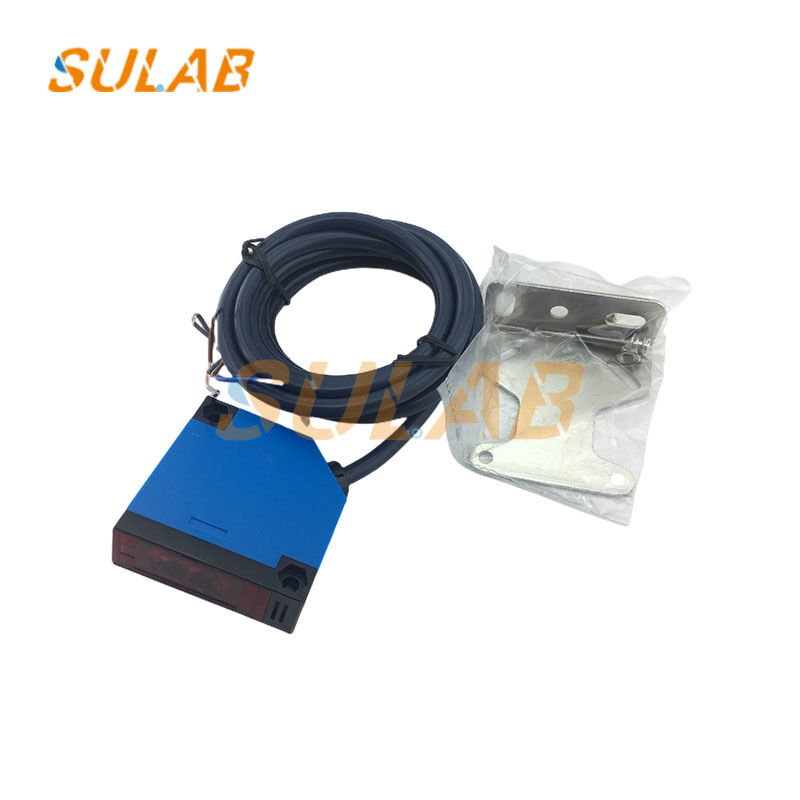
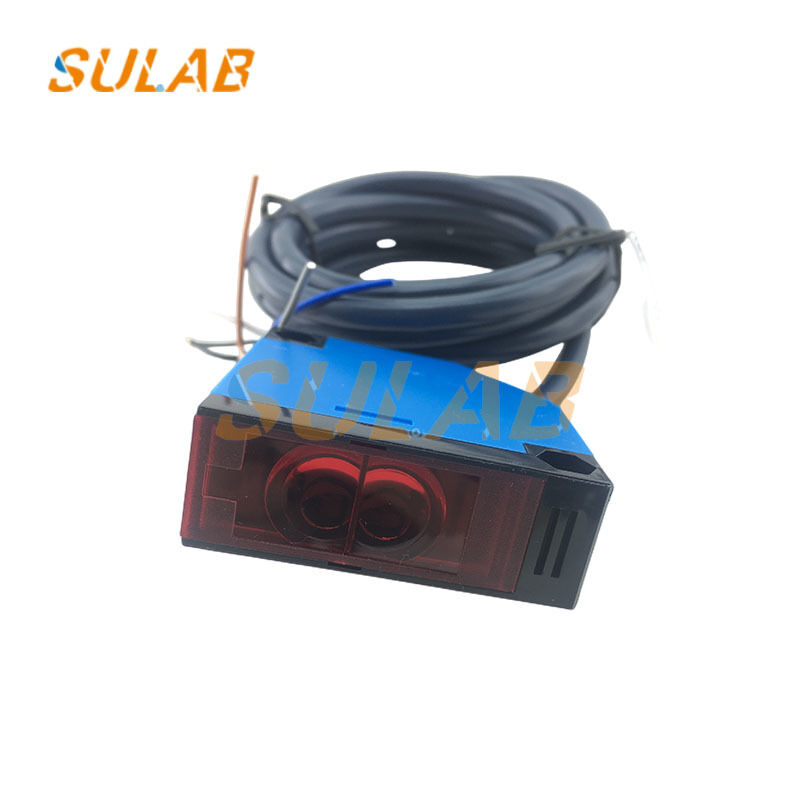
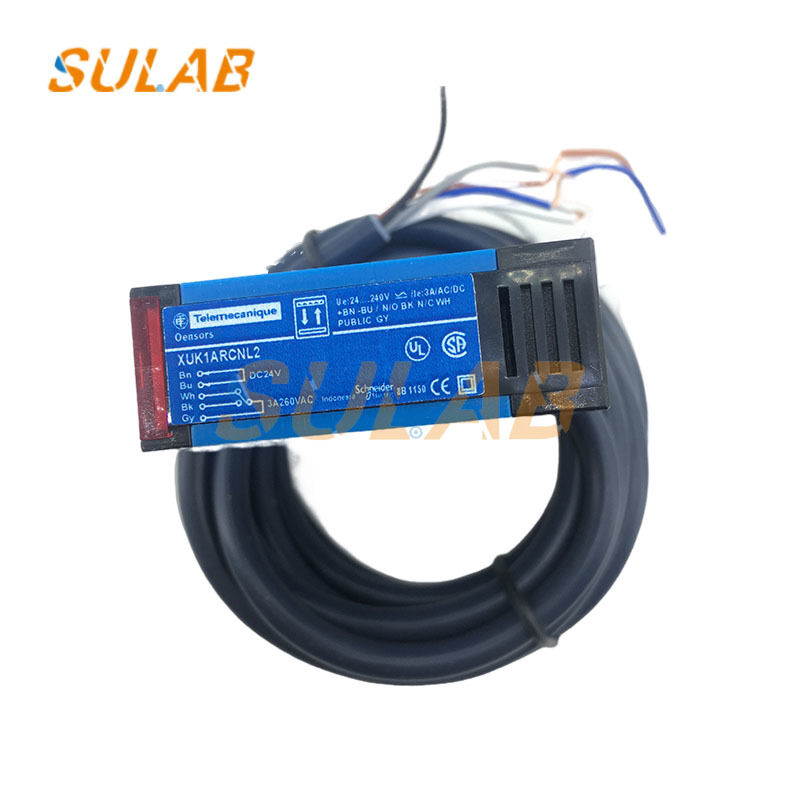
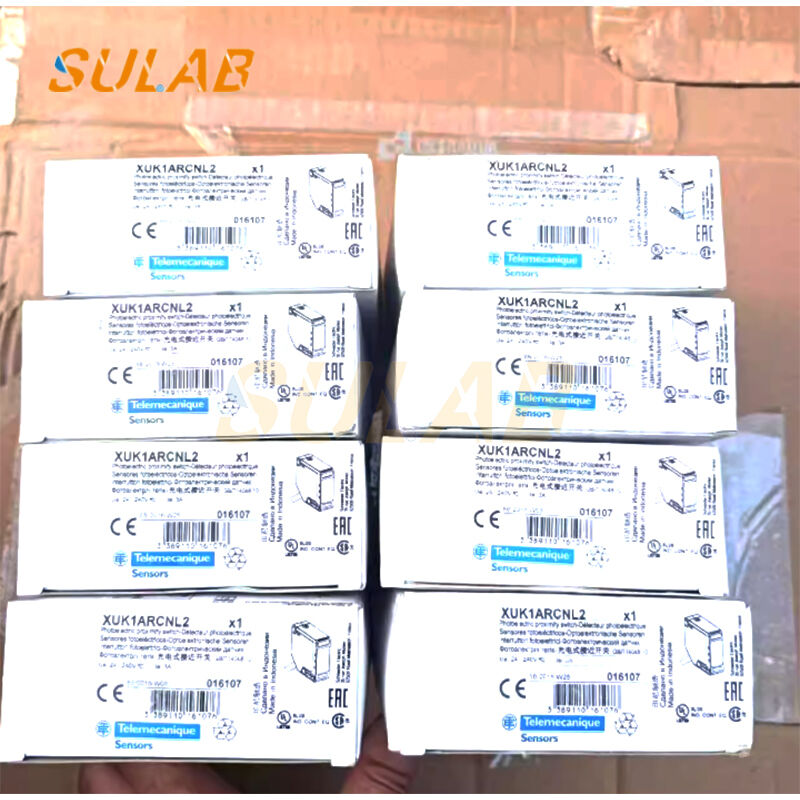
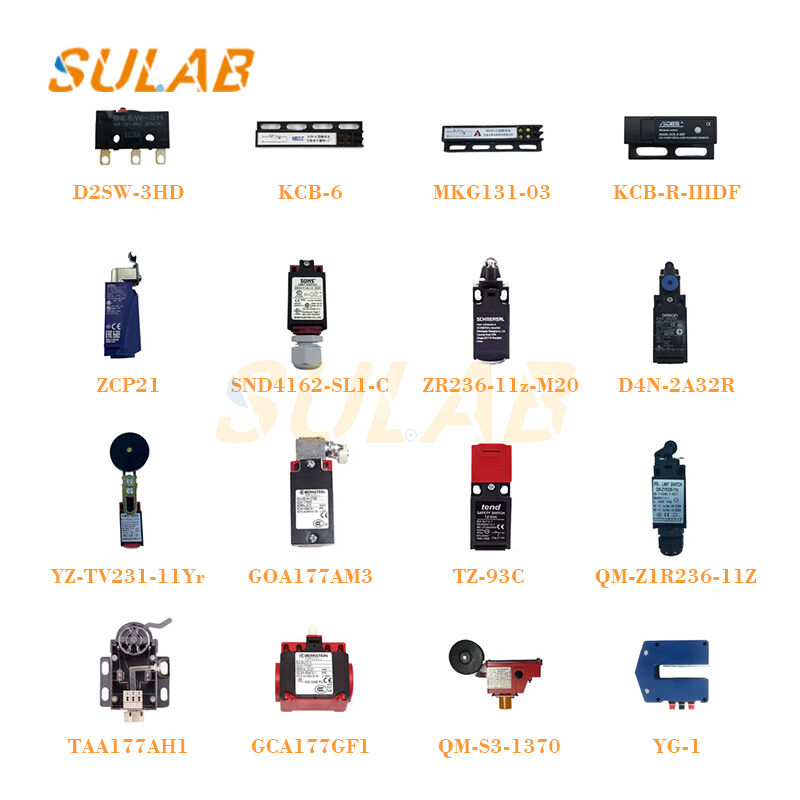
XUK1ARCNL2 Brand New Original Warehouse Industrial Automation PLC Programmable Controller, Brand New Photoelectric Switch Sensors
Emitting a directional infrared beam: The sensor's transmitter incorporates a semiconductor light source (typically an infrared emitting diode), which converts the input current signal into a stable infrared beam during operation. This infrared light is less susceptible to visible light interference, ensuring detection stability. The beam is precisely directed towards a dedicated reflector in a preset direction.
Beam reflection via the reflector: The dedicated reflector is typically composed of a three-sided right-angle prism array. When the infrared beam strikes the reflector, it undergoes multiple orthogonal reflections, ultimately being efficiently reflected back along its original emission path and directed towards the sensor's receiver. This is the core reason for the stable optical path of the specular reflection photoelectric switch.
| Brand | SULAB |
| Description | Elevator parts |
| Model | XUK1ARCNL2 |
| MOQ | 1PC |
| Transportion | TNT, UPS, DHL, Fedex, Air, Sea |
| Applicable | Elevator |
| Packages | Carton, Wooden case, Pallet etc |
| Delivery Time | Normally 2-3 working days after payment |
| Warranty | One year |
| Payment Method | Company Bank, Western union, alibaba, Paypal etc |
Object identification based on beam reception status: The sensor's receiver, composed of light-sensitive components such as photodiodes, continuously and stably receives the infrared beam reflected by the reflector when unobstructed, converting the light signal into a corresponding electrical signal. When an object enters the optical path between the sensor and the reflector, the object blocks the infrared beam, causing the receiver to either fail to receive light or experience a sharp decrease in light intensity, resulting in a significant change in the electrical signal.
Signal processing and switching command output: The sensor's internal processing circuit monitors the electrical signal converted by the receiver in real time. Once a change in the electrical signal that meets a preset threshold is detected, it quickly determines that a measured object has passed by and then outputs an ON/OFF switching signal according to the set logic. This signal can be transmitted to the subsequent control system, triggering a series of linked actions such as equipment shutdown, alarm, or current diversion, thereby completing the non-contact detection of the object.
Our products are sold all over the world, you can rest assured.
