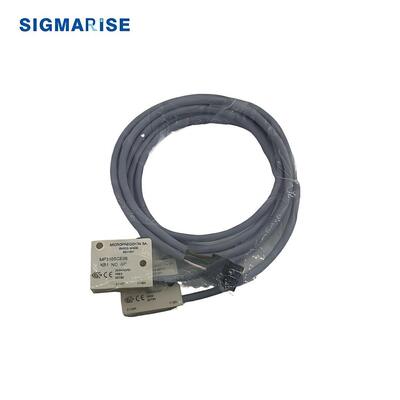
High Precision Elevator Brake Micro Switch MP310SCE09 for Brake Release Detection and Traction Machine Brake Feedback
-
Highlight
High Precision Elevator Brake Micro Switch
,Brake Release Detection Limit Switch
,Traction Machine Brake Feedback Auxiliary Contact Switch
-
BrandSULAB
-
DescriptionElevator Parts
-
ModelMP310SCE09
-
MOQ1PC
-
TransportionTNT, UPS, DHL, Fedex, Air, Sea
-
ApplicableElevator
-
PackagesCarton, Wooden Case, Pallet Etc
-
Delivery TimeNormally 2-3 Working Days After Payment
-
WarrantyOne Year
-
Payment MethodCompany Bank, Western Union, Paypal Etc
-
Brand NameSULAB
-
Model NumberMP310SCE09
-
Minimum Order Quantity1PC
-
Delivery TimeNormally 2-3 working days after payment
-
Payment TermsL/C,D/A,D/P,T/T,Western Union
High Precision Elevator Brake Micro Switch MP310SCE09 for Brake Release Detection and Traction Machine Brake Feedback
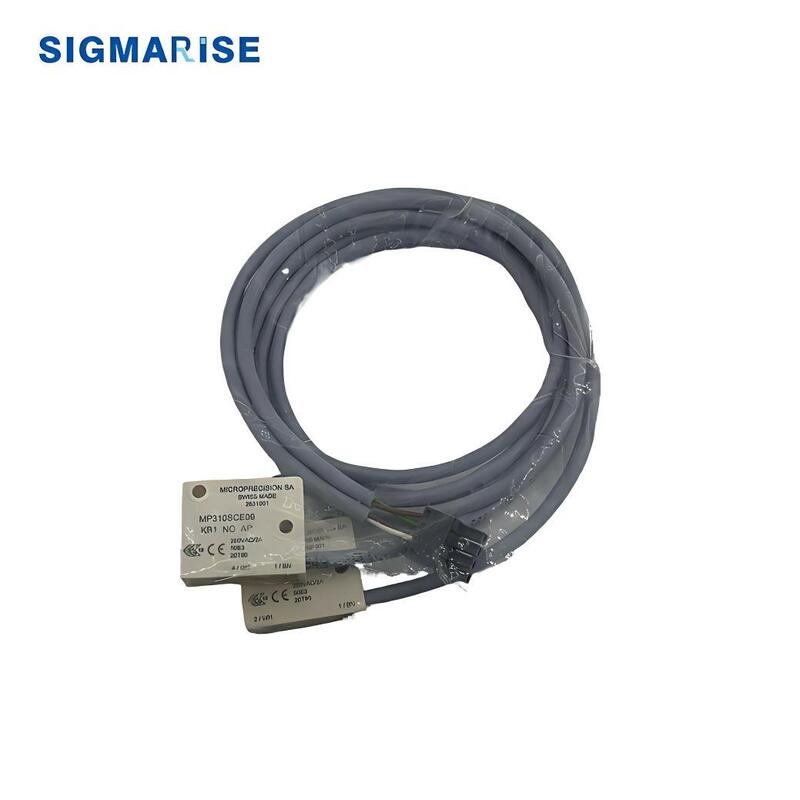
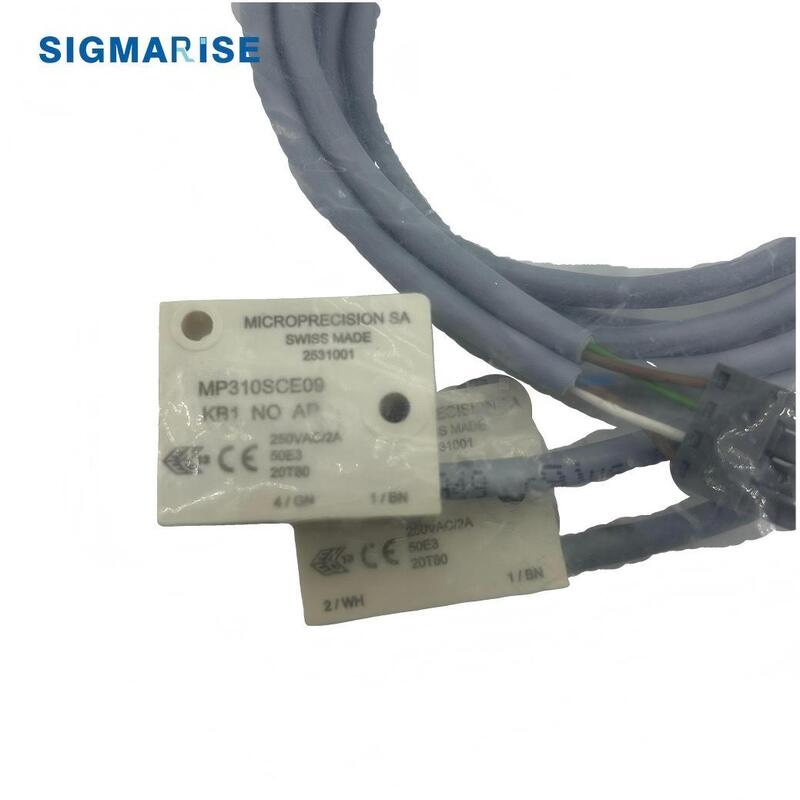
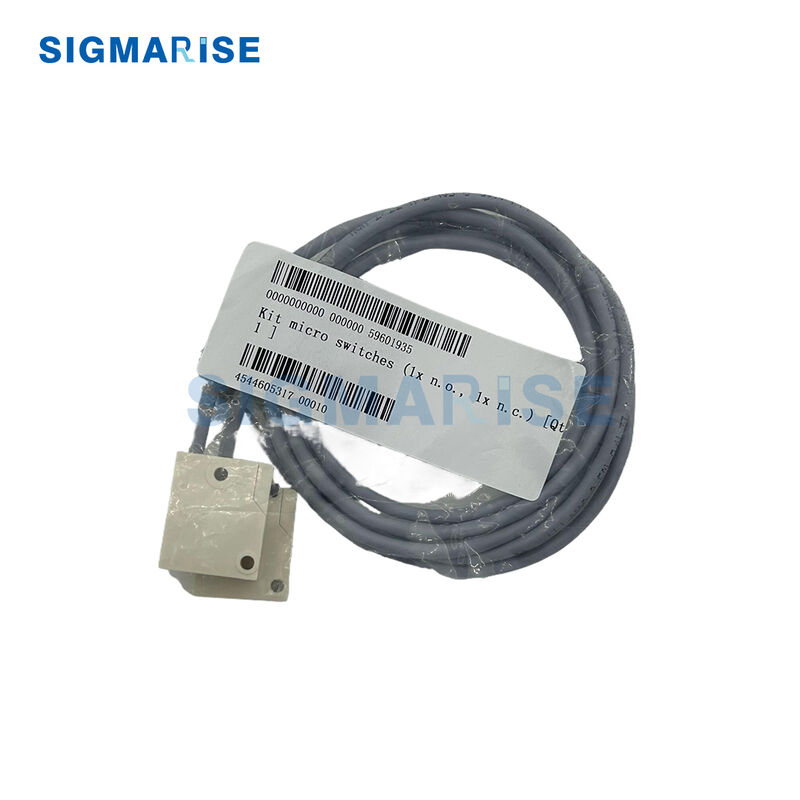
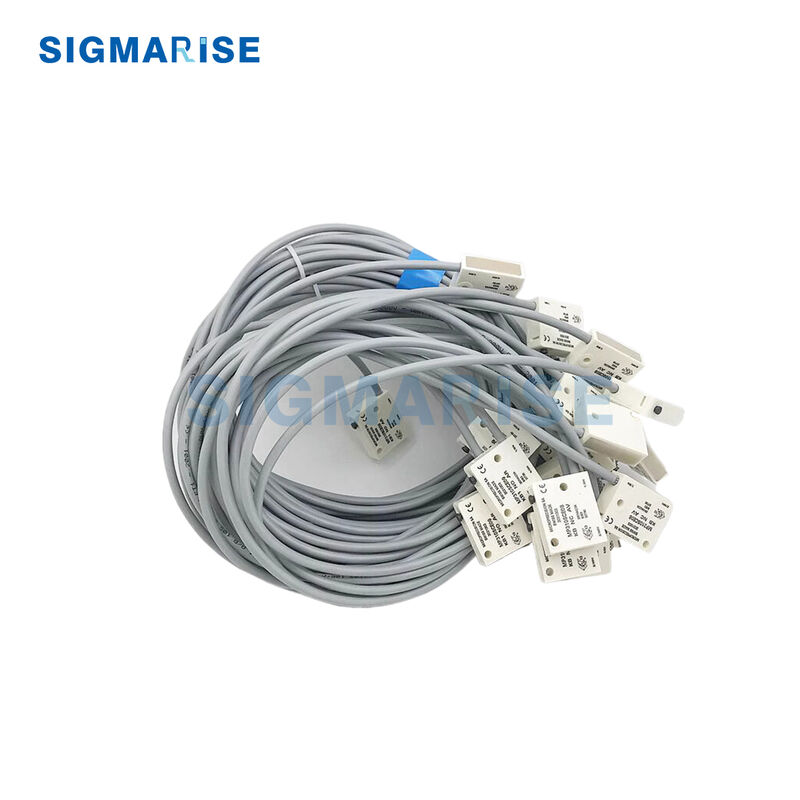
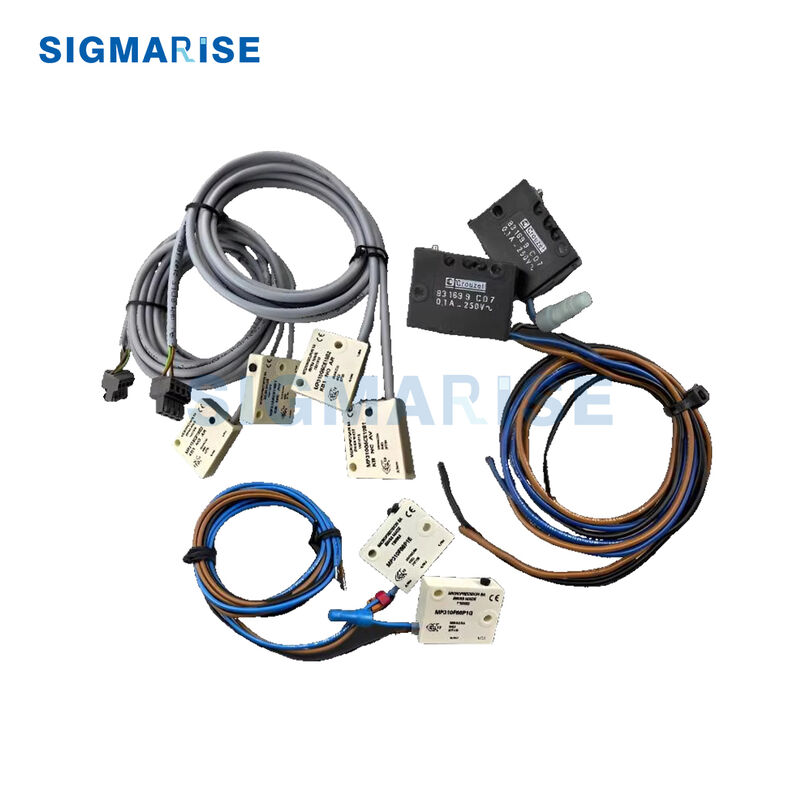
Elevator Brake Micro Switch MP310SCE09, High Precision Limit Switch For Elevator Brake Release Detection, Auxiliary Contact Switch For Elevator Traction Machine Brake Feedback
The MP310SCE09 brake status signal detector is a dedicated microswitch for elevator traction machine brakes. It monitors the brake's open and closed states in real time, transmitting on/off signals to the elevator mainboard. This allows the system to accurately identify whether the brake has been properly released and reliably stopped.
For safety interlock protection, the mainboard will only allow the elevator to start if the brake is fully open before operation. If the brake is not fully open, jammed, or has poor rebound, or if the switch signal is abnormal, the elevator will be prohibited from starting, a fault report will be issued, and the elevator will be locked to prevent damage to the traction machine, traction sheave, and wire ropes caused by operating with the brake engaged.
For leveling and stopping safety control, when the elevator arrives at a floor, it checks whether the brake is reliably closed to stop the main unit, preventing the elevator from slipping, sliding, or overshooting floors, ensuring passenger safety.
| Brand | SULAB |
| Description | Elevator parts |
| Model | MP310SCE09 |
| MOQ | 1PC |
| Transportion | TNT, UPS, DHL, Fedex, Air, Sea |
| Applicable | Elevator |
| Packages | Carton, Wooden case, Pallet etc |
| Delivery Time | Normally 2-3 working days after payment |
| Warranty | One year |
| Payment Method | Company Bank, Western union, Paypal etc |
When fault alarms or self-test switch contacts malfunction or are damaged, the main board will not receive a normal brake signal and will immediately report a brake fault code, reminding maintenance personnel to replace it promptly to avoid safety hazards.
The system is compatible with variable frequency elevator logic matching, working in conjunction with the timing logic of the inverter and main control system to achieve a standard timing sequence where the brake opens first, then the main unit rotates; and the main unit stops, then the brake closes again, eliminating start-stop jerks and elevator slippage.
Our products are sold all over the world, you can rest assured.
