


Quick Link
Quick Contact
Address
Wanda Square Plaza, Weiyang district, Xi'an City, Shaanxi China
Tel
86--15109261813
Our Newsletter
Subscribe to our newsletter for discounts and more.

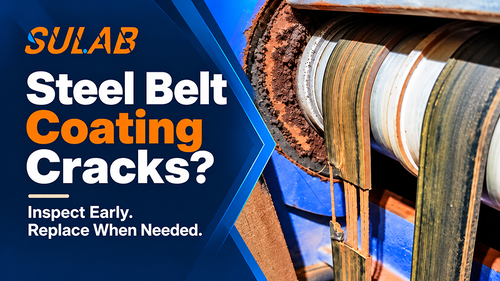
Cracks in an elevator steel belt coating may look minor, especially while the elevator is still operating normally. Visible coating damage, however, should not be ignored: the coating protects the internal load-bearing steel cords and contributes to the belt's interaction with the traction sheave.
Does a cracked coating always mean the belt needs to be replaced? Not necessarily. The decision depends on the actual condition of the belt and on the elevator manufacturer's inspection and replacement criteria. This article explains the possible causes, what to do when damage is found, and how maintenance companies and distributors can identify the correct replacement belt.
Several factors may contribute to coating deterioration. These are possible contributing factors rather than confirmed causes — identifying the actual problem requires a professional assessment of the belt and the related equipment.
| Contributing factor | How it affects the coating |
|---|---|
| Repeated bending | Continuous operation subjects the belt to repeated bending cycles. |
| Material aging | Coating properties can change over time under different operating conditions. |
| Abnormal sheave contact | Tracking problems, misalignment or unusual friction may cause uneven wear. |
| Mechanical damage | Foreign objects or abnormal contact may damage the coating. |
When cracks, peeling, cuts or unusual wear are discovered, qualified maintenance personnel should assess the belt according to the elevator manufacturer's procedures. The assessment may consider:
Where potentially serious damage is identified, qualified personnel should determine whether the elevator needs to be taken out of service pending inspection or replacement.
Once replacement has been specified, accurate product identification is essential. For maintenance companies and spare parts distributors, similar-looking elevator traction belts are not necessarily interchangeable. Before requesting an elevator steel belt replacement quotation, prepare the following information:
| Information required | What to provide |
|---|---|
| Original part number | Belt model or identification marking |
| Elevator information | Manufacturer and equipment model |
| Belt specifications | Width, thickness and available technical details |
| Order requirements | Required length and quantity |
| Photos | Clear images of the existing belt and its markings |
For reference, the traction steel belt models below are supplied for common Otis GEN2 applications. Model, width and load rating must be confirmed against the original equipment data before ordering:
| Belt model | Product page |
|---|---|
| AAA717AD1 | Otis AAA717AD1 traction steel belt, 60 mm width |
| AAA717X | Otis AAA717X smooth-surfaced traction steel belt |
| AAA717R1 | Otis AAA717R1 wear-resistant steel cord belt |
| AAA717AM2 | 43 kN Otis AAA717AM2 steel belt, 30 mm |
If the original marking is unreadable, equipment documentation and available identification photos may help clarify the inquiry. The proposed replacement must meet the applicable original equipment specifications and approval requirements — matching belt dimensions alone is not enough to confirm compatibility.
SULAB supplies elevator replacement parts, including coated steel belts, for overseas maintenance companies and spare parts distributors.
Need help sourcing a replacement belt?
Send us your original belt marking, elevator model, required length, quantity and available product photos. Our team can assist with product identification and quotation. For more information, visit our Elevator Steel Belt product page or contact the SULAB team directly.
Key Takeaways

